The art of light without losing the dark
Outdoor projection can be immersive without flooding an entire landscape. A practical creative brief starts with where light should not go.
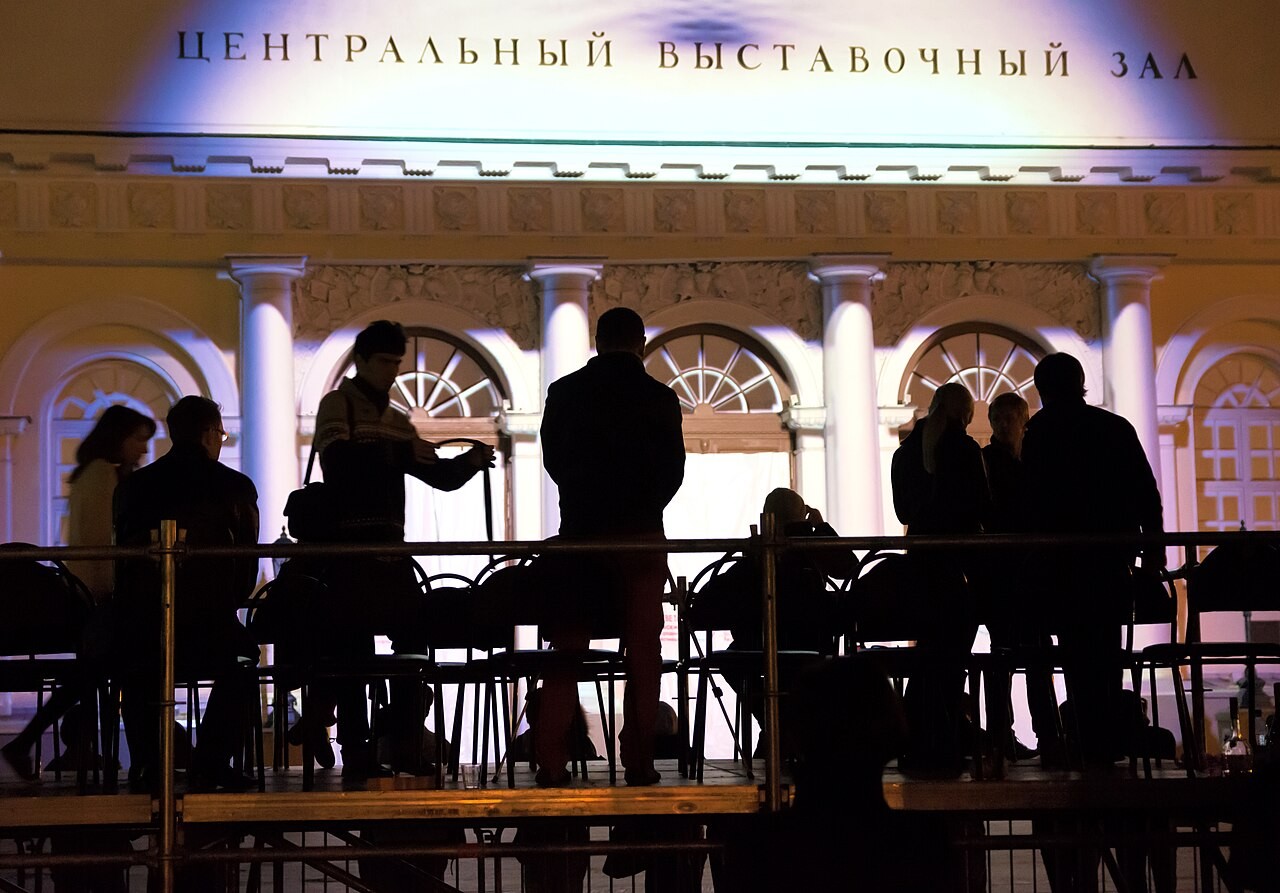

The temptation in outdoor light art is to illuminate everything. A forest becomes a canvas, a field becomes a glowing room, and a building becomes a screen. The effect can be spectacular. But a strong immersive installation does not have to turn the entire night into artificial daylight.
In fact, darkness can be the most valuable material the artist has.
The beam is part of the composition
A projector makes a shape of light, but it also sends stray light beyond that shape. Bright surfaces reflect it. Fog and humidity scatter it. Visitors need enough illumination to move safely, while nearby habitat may need to remain dark.
The DarkSky International and Illuminating Engineering Society Five Principles for Responsible Outdoor Lighting offer a useful starting point: light should be useful, targeted, low level, controlled and warm-colored where possible. Their guidance was updated in September 2026.
These principles were written for outdoor lighting broadly, not as a permit for an art event. But they provide a compelling creative constraint. If every lamp and projector must have a purpose, the design becomes more intentional.
Five questions before switching on
**What is the actual subject?** A sculpture, screen or architectural surface can be illuminated without lighting the entire surrounding canopy. A defined surface creates a visual focal point and makes the unlit space feel deeper.
**Where does the spill go?** A beam that misses its target may travel into trees, neighboring properties or the sky. Mockups should include viewing angles and boundaries, not just the image on the surface.
**How bright is enough?** More brightness is not automatically more immersive. Contrast against darkness can make a modest projection powerful. Test the lowest useful level rather than assuming the projector's maximum output is the design standard.
**When does it stop?** Timers and scheduled dark intervals can reduce unnecessary light. An installation can have a beginning, middle and end, with deliberate periods when the environment returns to darkness.
**What color and spectrum are necessary?** Shorter-wavelength light can have ecological effects. A warm palette may be useful in some contexts, but even warm light can disrupt wildlife when it is bright, widespread or persistent. No color is a universal exemption.
The forest is not an empty theater
Artificial light can affect animals that rely on darkness for navigation, feeding, avoiding predators or reproduction. DarkSky's wildlife guidance highlights impacts on birds, insects, amphibians and other nocturnal organisms. The effects vary by species, season, habitat and lighting conditions.
For a project in the New Jersey Pine Barrens, ecological review should begin before the visual design is finalized. Sensitive wetlands, breeding areas, migratory activity and property-specific restrictions can make some locations inappropriate. A private owner's permission does not replace required permits or environmental protections.
Sound, foot traffic, parking and waste are part of the environmental footprint too. An event that protects the night sky but compacts sensitive ground has not solved the whole problem.
A design experiment: make darkness visible
Try a conceptual installation with three elements. First, a small projection onto a temporary freestanding screen. Second, a low, shielded path light only where safe circulation requires it. Third, an intentionally unlit zone that the audience can observe without entering.
Let the projection change slowly. Rather than filling the space with rapid flashes, use transitions that reward patient attention. Add an audio layer at a level appropriate to the site, or make the installation quiet enough for the existing night sounds to remain audible.
This is an editorial proposal, not a report of a completed Castle Arts event or an approved Pine Barrens installation. Actual engineering, accessibility, wildlife review, emergency planning, permits and insurance would need qualified assessment.
The accompanying photograph shows architectural projection at the Moscow Manege in 2012. It is a historical illustration of light art, not an image of Castle Arts or a woodland venue.
The strongest effect may be what stays dark
A good light installation changes how people see a place. A responsible one also respects what makes that place alive when the audience leaves.
Castle Arts Collective welcomes artists, musicians, creators and potential venues to inquire about collaborations at https://castlearts.villageropen.org/connect/. Availability, scope and terms require written confirmation.
Read the original sources
darksky.org ↗darksky.org ↗Sources checked October 29, 2026. Time-sensitive details should be checked again before acting.
Artists, musicians, creators and venues: tell us what you would like to make together. Scope and scheduling are confirmed in writing.
Artists and venues: connect →