The theater that fits between a lamp and a wall
One lamp, one screen, and a flat figure can become a theater. The technology is almost absurdly small. Yet the image that appears on the screen can have scale, motion, personality and a voice. Shadow puppetry.
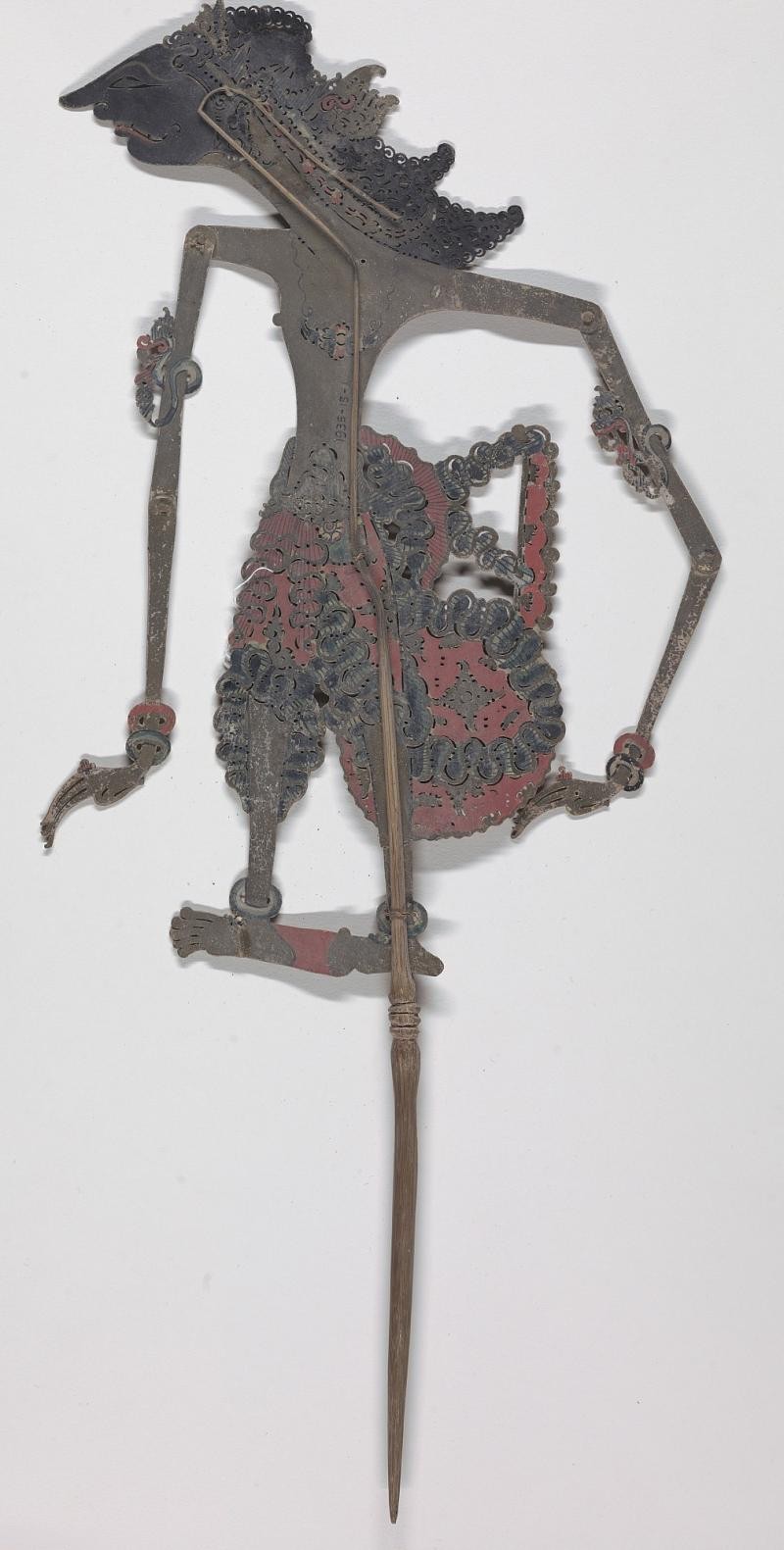
One lamp, one screen, and a flat figure can become a theater. The technology is almost absurdly small. Yet the image that appears on the screen can have scale, motion, personality and a voice. Shadow puppetry is a reminder that art does not need expensive equipment to create a world.
A real object with a long history
The Cooper Hewitt, Smithsonian Design Museum holds a nineteenth-century Indonesian wayang kulit puppet made of painted and gilded leather and wood. The Smithsonian lists its media as CC0 under Open Access. It is a specific historical object, not a prop made for Castle Arts, and its cultural context deserves attention.
Shadow theater traditions are not one interchangeable global style. Indonesian wayang kulit has its own histories, craftsmanship, musical practices and performance conventions. Other shadow-puppet traditions, including those discussed in Smithsonian reporting on Armenian theater, have distinct forms and lineages. A workshop borrowing the basic optics of shadow should not pretend to recreate a traditional performance without learning from its practitioners.
The visual mechanism
A light source projects the silhouette of an object onto a surface. Move the puppet toward the light and its shadow can enlarge and soften. Move it closer to the screen and the edges become sharper. Change the distance, the angle or the transparency of the material, and the audience sees a different figure without the puppet itself changing shape.
Pierced details in leather or paper can create bright openings within a dark silhouette. Colored translucent material can add another layer if the light and screen permit it. The stage becomes a collaboration among cut shape, movement, light and sound.
A thirty-minute original studio experiment
This is a proposed Castle Arts creative challenge, not a scheduled public event. Set up a small LED lamp and a taut translucent sheet or light-colored wall. Avoid hot bulbs and exposed wiring. Cut three simple figures from stiff paper: a circle, an angular animal and an abstract shape with holes. Mount them on sticks.
Run three passes. First, keep the figures close to the screen and explore precise, crisp movement. Second, move them nearer the lamp to test scale and blur. Third, keep the puppets almost still and let a musician or spoken-word performer change the mood with rhythm, silence and vocal texture.
Film only with the participants' permission. Watch the recording without sound, then listen with your eyes closed. Which part carried the story? If the silhouette alone is confusing, perhaps a stronger gesture will help. If the sound tells everything, perhaps the figure can become simpler.
Build an invitation, not just a performance
An accessible art night might invite visitors to make one puppet, test it, and leave it for the next person to animate. A venue could provide a wall and a small safe lighting area. Musicians could improvise a score. The interesting outcome is shared authorship, not a polished show on the first attempt.
Castle Arts Collective invites artists, musicians, makers and venues to connect at https://castlearts.villageropen.org/connect/. Dates, space, booking scope and availability must be confirmed before any public announcement. The Smithsonian collection image illustrates the historical craft; it does not document a Castle Arts gathering.
Read the original sources
www.si.edu ↗www.smithsonianmag.com ↗Sources checked October 29, 2026. Time-sensitive details should be checked again before acting.
Artists, musicians, creators and venues: tell us what you would like to make together. Scope and scheduling are confirmed in writing.
Artists and venues: connect →